
Safari in Africa: How to Choose the Right Safari for You
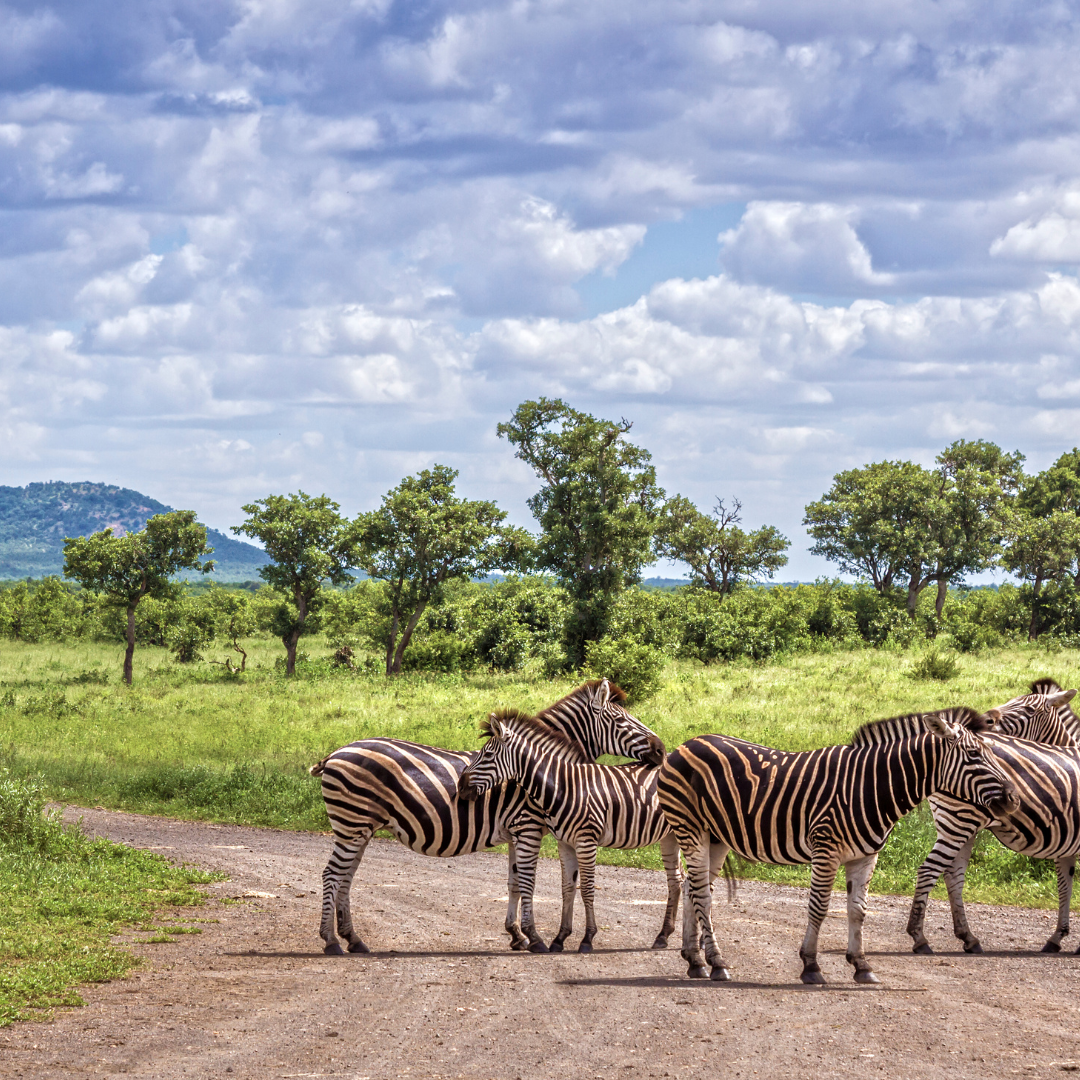
A safari can be one of the most extraordinary journeys you ever take.
It can also be surprisingly easy to get wrong.
Not because the destination is wrong, or because the lodge is not luxurious enough, but because there is no single thing called “a safari”.
A first-time safari in South Africa can feel completely different from a private camp in Botswana. Tanzania during the Great Migration is a very different experience from a slower walking safari in Zambia. A family safari needs a different rhythm again.
That is why I would never start by asking:
Which safari destination is best?
I would start with:
What kind of safari do you actually want to have?
Start with the experience, not the country
People often arrive with a destination already in mind.
Kenya. Tanzania. Botswana. South Africa.
Sometimes that is absolutely the right starting point. But sometimes the country is simply the name they know best.
The better questions are things like:
Do you want dramatic wildlife numbers or a quieter sense of wilderness?
Would you happily spend several hours in a vehicle, or would you prefer walking, boating or other ways of exploring?
Do you want to see the Big Five?
Is this your first safari, or have you already done the classic experience?
Are you travelling with children?
How important are comfort, privacy and exceptional food?
Would you enjoy a small, intimate camp or feel happier somewhere with more facilities?
Do you want safari to be the whole journey, or part of a wider African trip?
Those answers usually tell me far more than a destination wish list.
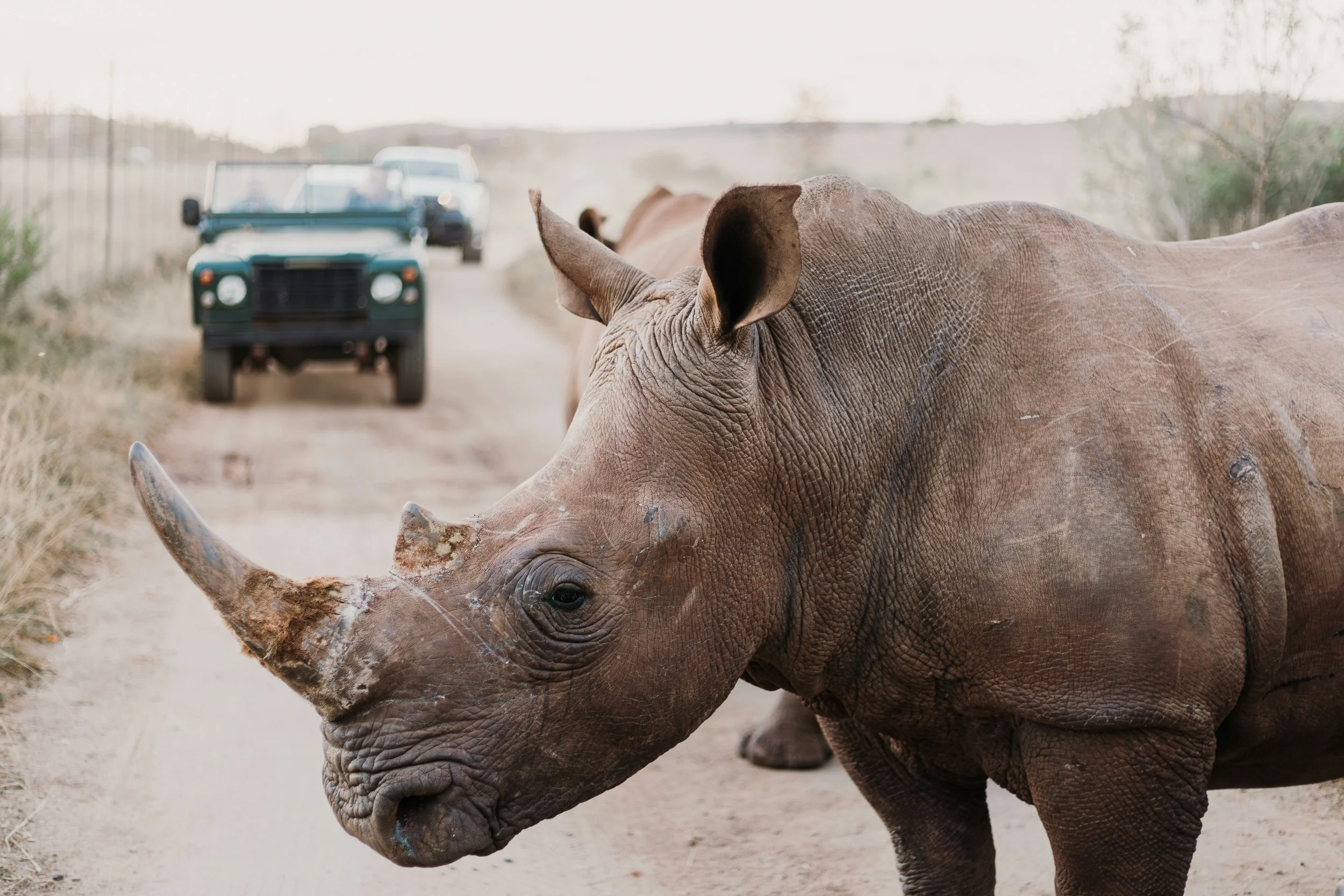
Botswana: for space, wilderness and fewer people
Botswana is often where I start looking when someone says:
“I don’t want to feel as though I am following ten other vehicles.”
The Okavango Delta and surrounding wilderness areas can offer a wonderful combination of wildlife, water, landscape and low-density tourism.
Depending on location and season, safari may include game drives, walking, boat journeys or traditional mokoro excursions.
It can feel wonderfully remote.
The compromise is usually cost and logistics. Botswana is not normally the budget option, and small aircraft transfers are common.
But for someone who values privacy, space and the feeling of being properly immersed in the landscape, that may be exactly why it works.
The lodge matters, but not in the way you might think
This is where safari planning can become distorted by beautiful photographs.
An exceptional lodge can still be completely wrong for you.
The important questions include:
How many rooms or tents are there?
How many people share a safari vehicle?
Can private vehicles be arranged?
Are children accepted, and from what age?
How rigid is the daily schedule?
How much downtime is there?
Can you walk from your accommodation to communal areas, or do you need an escort?
Is the camp very social, or can you disappear quietly?
What happens between game drives?
How remote is it?
How long are the transfers?
The best lodge is not necessarily the most expensive one.
It is the one that creates the safari you actually want.
That principle runs through everything we do at Rhythm & Routes: the right property for the wrong person is still the wrong property.
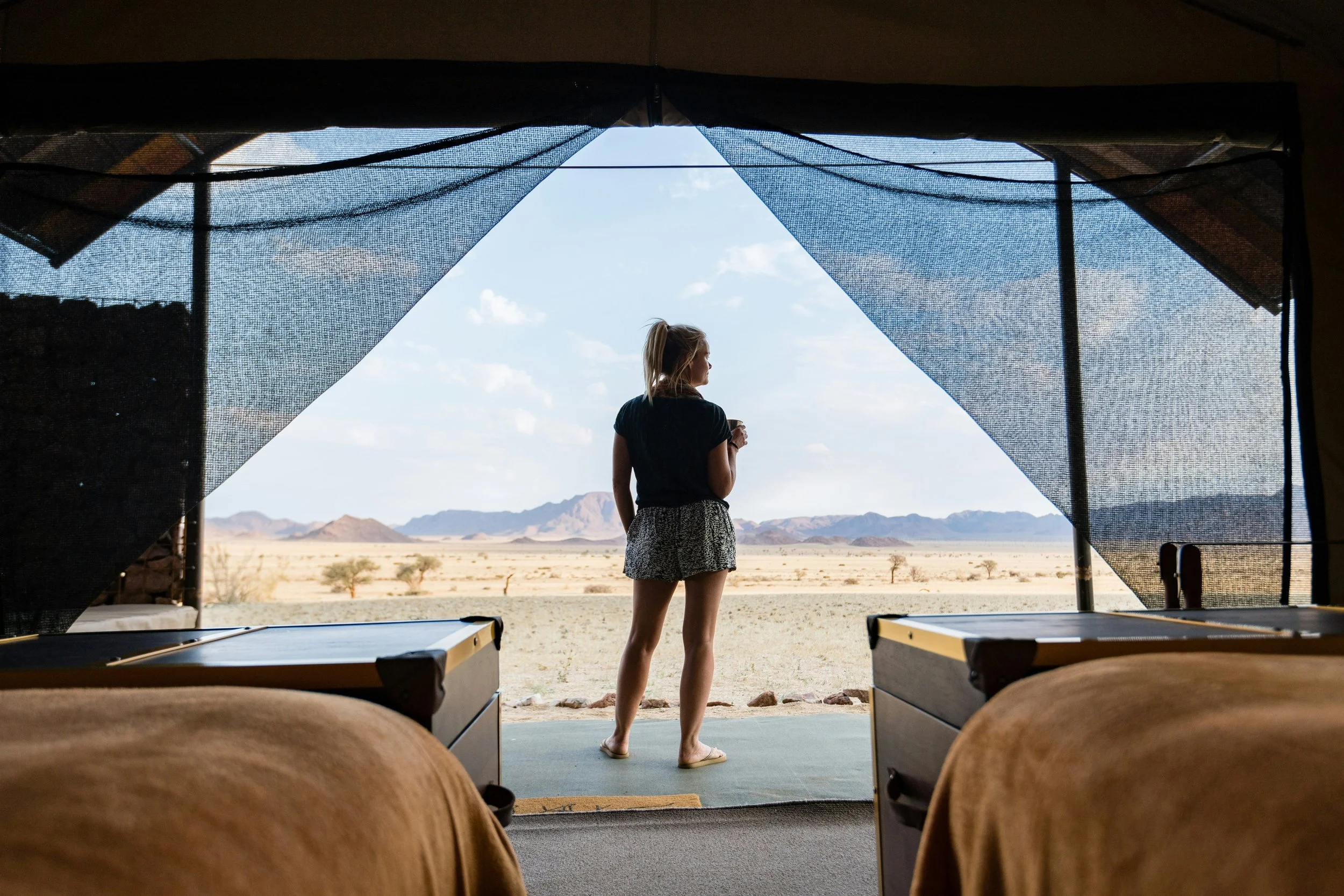
Do you want safari to be exciting, restful, or both?
This is one of the most useful questions.
Safari days often start early.
There may be pre-dawn wake-up calls, several hours in a vehicle, changing temperatures, dust and long stretches of intense concentration while looking for wildlife.
Some people adore every second.
Others discover after four days that they would quite like a lie-in. 😂
There is nothing wrong with either.
A good itinerary can build in breathing space.
That might mean choosing a lodge where you are happy spending an afternoon by the pool, adding a slower second property, including walking or boating, or simply not scheduling every possible activity.
Safari does not need to become an endurance event.
Family safari needs a different kind of planning
Taking children on safari can be fantastic.
But age changes everything.
Some camps have minimum ages. Some activities have restrictions. Long game drives may be enthralling for one child and torture for another.
Travel time also matters more when you are moving a family around.
I would think about:
how long the children comfortably sit still
whether a private vehicle would make life easier
whether the lodge offers family accommodation
pool access and downtime
malaria considerations and appropriate professional travel-health advice
the balance between wildlife and other experiences
and whether everyone genuinely wants the same holiday.
A successful family safari should not depend on children behaving like miniature wildlife documentary presenters for ten days.
Safari and beach can be brilliant, but it is not compulsory
The classic combination is safari followed by beach.
There is a good reason for it.
After several early starts, a few days beside the Indian Ocean can feel glorious.
Kenya works naturally with its own coast or Zanzibar. Tanzania combines easily with Zanzibar and other islands. Southern African safaris can be paired with Mauritius, Mozambique or the Seychelles depending on routing and the wider journey.
But I would not add a beach simply because that is what safari itineraries traditionally do.
Some travellers would rather carry on exploring.
Others want Cape Town, wine country, Victoria Falls or a completely different second chapter.
The journey should fit you rather than a template.
Walking and Horse Riding Safaris
If you have already experienced a traditional vehicle-based safari, exploring on foot or on horseback can completely change your perspective.
You stop looking only for large animals.
You notice tracks, plants, insects, birdlife, wind direction and the small signs that tell an experienced guide what has passed through the landscape.
It is not about getting closer to dangerous wildlife.
A properly operated walking safari is guided and managed carefully.
The appeal is the feeling of becoming part of the environment rather than simply travelling through it.
For some people, that becomes the most memorable part of the trip.
On horseback, the experience is different again. You can cover more ground, move through the landscape in a quieter way and, in suitable areas, experience wildlife from a very different perspective.
Both require the right operator, experienced guides and an honest assessment of your ability and confidence. Riding safaris in particular vary enormously, from gentle rides for competent beginners to demanding multi-day experiences for experienced riders.
For the right traveller, either can become one of the most memorable parts of a safari.
The question I would ask before booking any safari
Not:
Where should I go?
But:
What would make you come home saying, “That was exactly the safari I hoped for”?
For one person, it will be seeing the Great Migration.
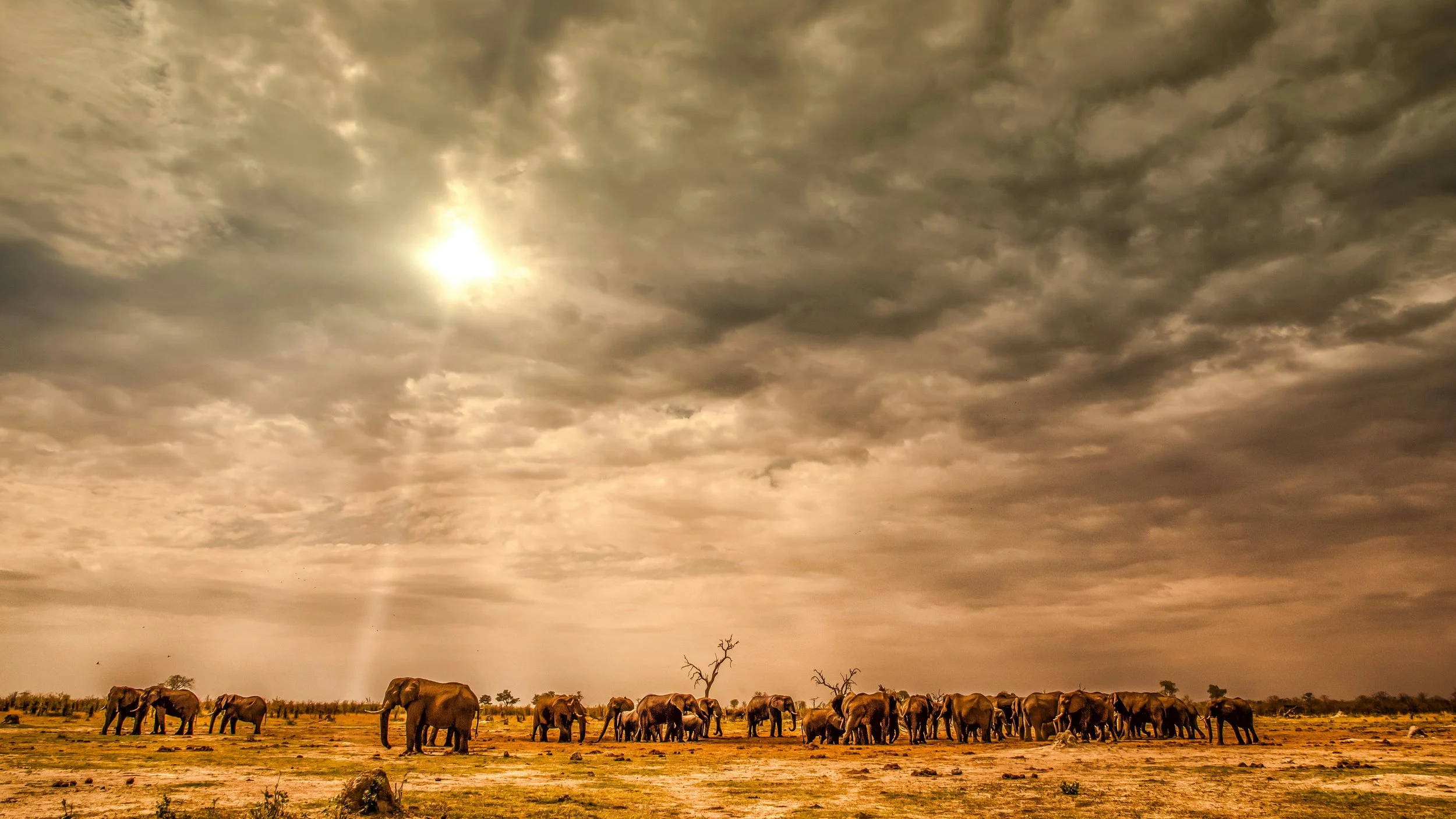
For another, watching elephants walk past camp.
For somebody else, it will be taking their children to Africa for the first time.
It may be for restful silence.
Adventure.
Photography.
Extraordinary guiding.
Comfort.
A sense of wilderness.
Or simply that ridiculous moment when a giraffe appears beside the road and everybody in the vehicle goes completely quiet.
Once I understand that, choosing the destination becomes much easier.
Because a safari is not just about seeing wildlife.
It is about deciding how you want to experience it.
And that is where good planning makes all the difference.
Planning a safari?
Rhythm & Routes designs and arranges tailor-made safaris across Africa, including complex multi-stop journeys, family safaris and safari combinations.
If you are thinking about Africa but are not sure which destination, reserve or style of safari is right for you, we can help you narrow the options and build the journey around the way you actually want to travel.