
Boutique Hotels: When Smaller Really Does Mean Better
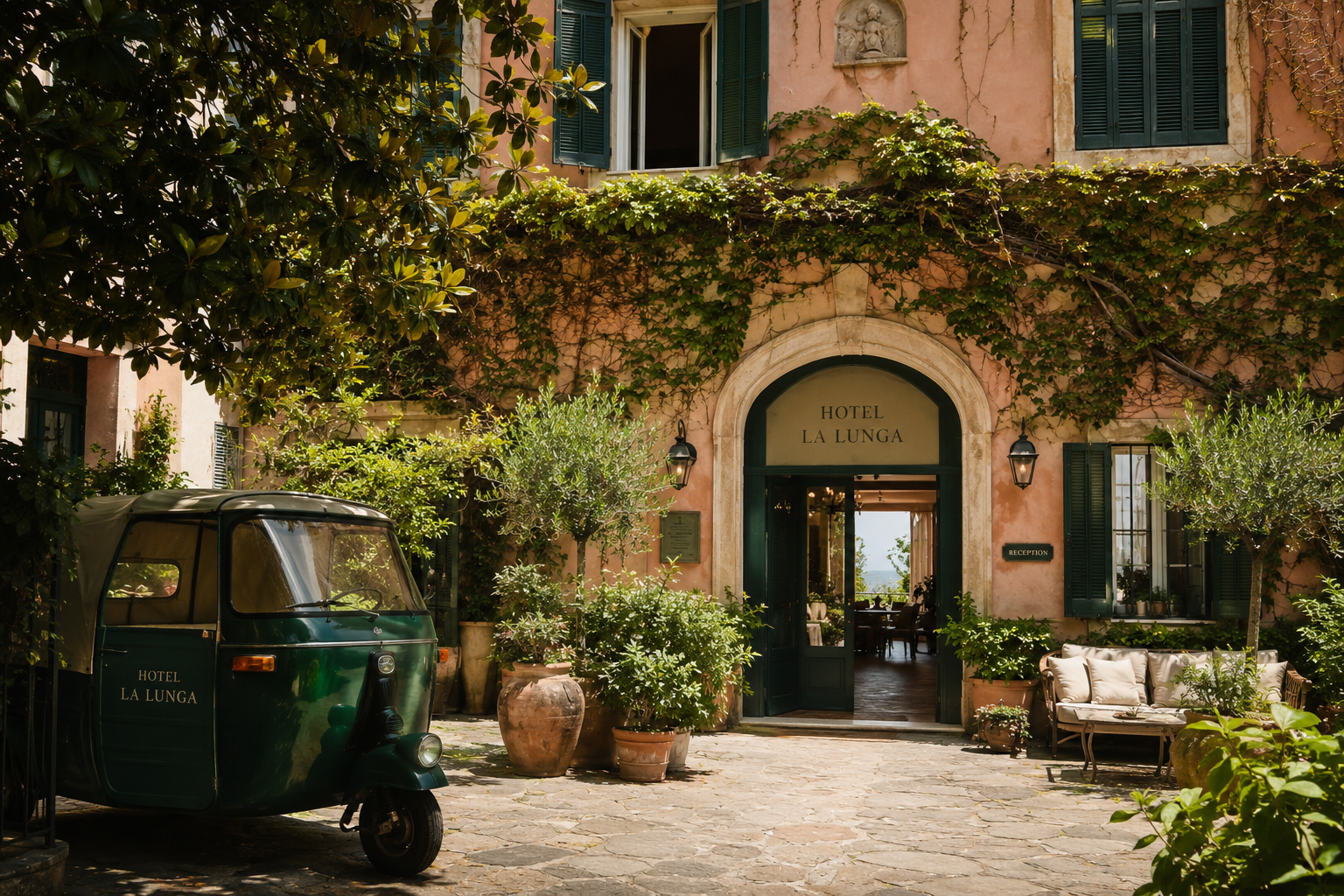
A welcoming boutique hotel courtyard
There is a particular kind of hotel I often find myself drawn to.
Not because it has the biggest spa.
Not because it has the longest facilities list.
And certainly not because somebody has put the word luxury in front of its name.
It is usually because it feels homely, like somewhere familiar.
A good boutique hotel often has personality. It belongs to its setting. The people working there know the place properly. The experience can feel more personal, more relaxed and often more memorable than staying somewhere much larger.
But there is an important caveat.
Smaller does not automatically mean better.
The right question is whether smaller is better for you.
That distinction matters because Rhythm & Routes is built around fit rather than prestige, popularity or a facilities checklist. A property can be excellent and still be wrong for a particular traveller.
What does “boutique” actually mean?
It is one of those travel words that gets used very freely in the travel industry.
A hotel might describe itself as boutique because it is small. Another might use the term because of its design. Sometimes it simply means independent. Sometimes it means highly personalised. Sometimes, frankly, it means very little at all.
When I look at a boutique property, I am less interested in the label than in the experience behind it.
I want to know how it feels when you arrive.
Is the service warm or overly formal?
Does the hotel understand its destination, or could it have been dropped almost anywhere?
Can the team genuinely personalise the stay?
Are there enough facilities for the people I am considering it for?
And crucially, does the intimacy of a smaller hotel feel appealing, or would the client actually be happier with more space, choice and anonymity?
That is where the useful travel advice begins.
When smaller can be wonderful
There are situations where boutique hotels really come into their own.
They can be brilliant for people who value atmosphere and intimacy, over facilities.
For travellers who would rather know the name of the person serving breakfast than have six restaurants to choose from.
For couples who want somewhere quiet and characterful.
For somebody travelling because they genuinely want to experience a place, rather than spend most of the holiday inside a resort.
And for travellers who appreciate the little things: a locally run restaurant recommendation, a room chosen because the owner understands what you like, or somebody remembering how you take your coffee without turning the whole experience into theatre.
That kind of hospitality can be incredibly valuable.
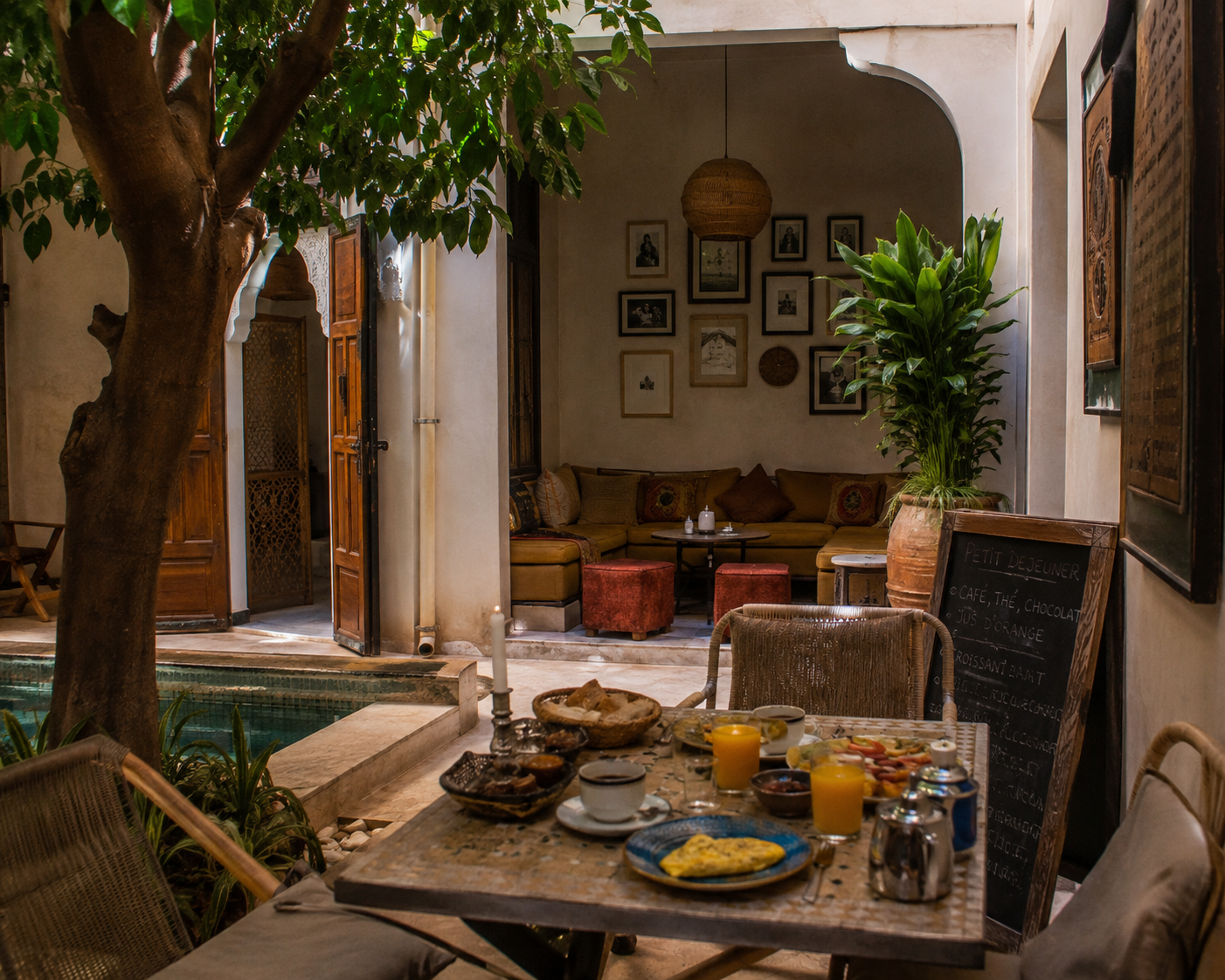
Informal and Intimate Breakfast
But boutique is not right for everyone
This is where I think travel marketing sometimes gets too romantic.
Small hotels can also come with compromises.
There may be no pool.
There may be one restaurant rather than five.
The spa might consist of two treatment rooms instead of a full wellness complex.
Reception may not be staffed throughout the night.
There may be fewer room categories, fewer facilities for children and less backup if something goes wrong.
Some travellers love that simplicity.
Others absolutely do not.
A family with children who need activities, space and variety may be much happier in a larger resort.
A multi-generational group may need lifts, accessible rooms, several dining options and enough independence for everyone to do their own thing.
Somebody travelling alone may enjoy the intimacy of a small hotel, or they may prefer a larger property where it is easier to disappear into the background.
There is no hierarchy here.
Boutique is not more sophisticated.
Large resorts are not less interesting.
The value lies in choosing the one that works for the person travelling.
That fits the way Rhythm & Routes approaches property selection more broadly: facilities create possibilities, but people, service and fit determine the actual experience
I care much more about character than size
Some of the hotels I find most interesting are small.
Others are enormous.
Size tells me very little on its own.
What I care about is whether the property knows what it is trying to be and does it well.
A 20-room hotel can feel magical when the owners understand hospitality.
It can also feel restrictive if the service is inconsistent or the facilities simply do not meet the traveller’s needs.
Equally, a 400-room resort can feel surprisingly personal when the service culture is strong and the property has been designed intelligently.
That is why I would never recommend a hotel purely because it appears on a list of the “best boutique hotels in the world”.
Awards, rankings and fashionable design do not answer the most important question:
Will you actually enjoy being there?
Boutique hotels can create a stronger sense of place
One of their greatest strengths is often their connection to the destination.
They may occupy an old townhouse, former monastery, farmhouse, historic estate or restored local building.
Menus may be influenced by what is grown nearby.
The team may know the restaurants, guides and experiences beyond the hotel walls exceptionally well.
And because the property is smaller, the destination itself often becomes a bigger part of the holiday.
For the right traveller, that is exactly the point.
You have not travelled hundreds or thousands of miles simply to experience a beautiful bedroom.
You have travelled to experience somewhere different.
And sometimes a small hotel gives you a much better doorway into that place.
What I would ask before choosing one
Before recommending a boutique hotel, I would want to understand:
How much time will you actually spend at the hotel?
Do you value atmosphere or extensive facilities more?
Is a pool, spa, gym or choice of restaurants important?
Do you enjoy personal service, or do you prefer greater anonymity?
Are there children or several generations travelling?
How much flexibility do you need?
Is the destination itself a major part of the experience?
The answers usually tell us far more than the word boutique ever will.
Because the goal is not to find the smallest hotel.
It is to find the right hotel.
And sometimes, yes, smaller really does mean better.
Just not always.
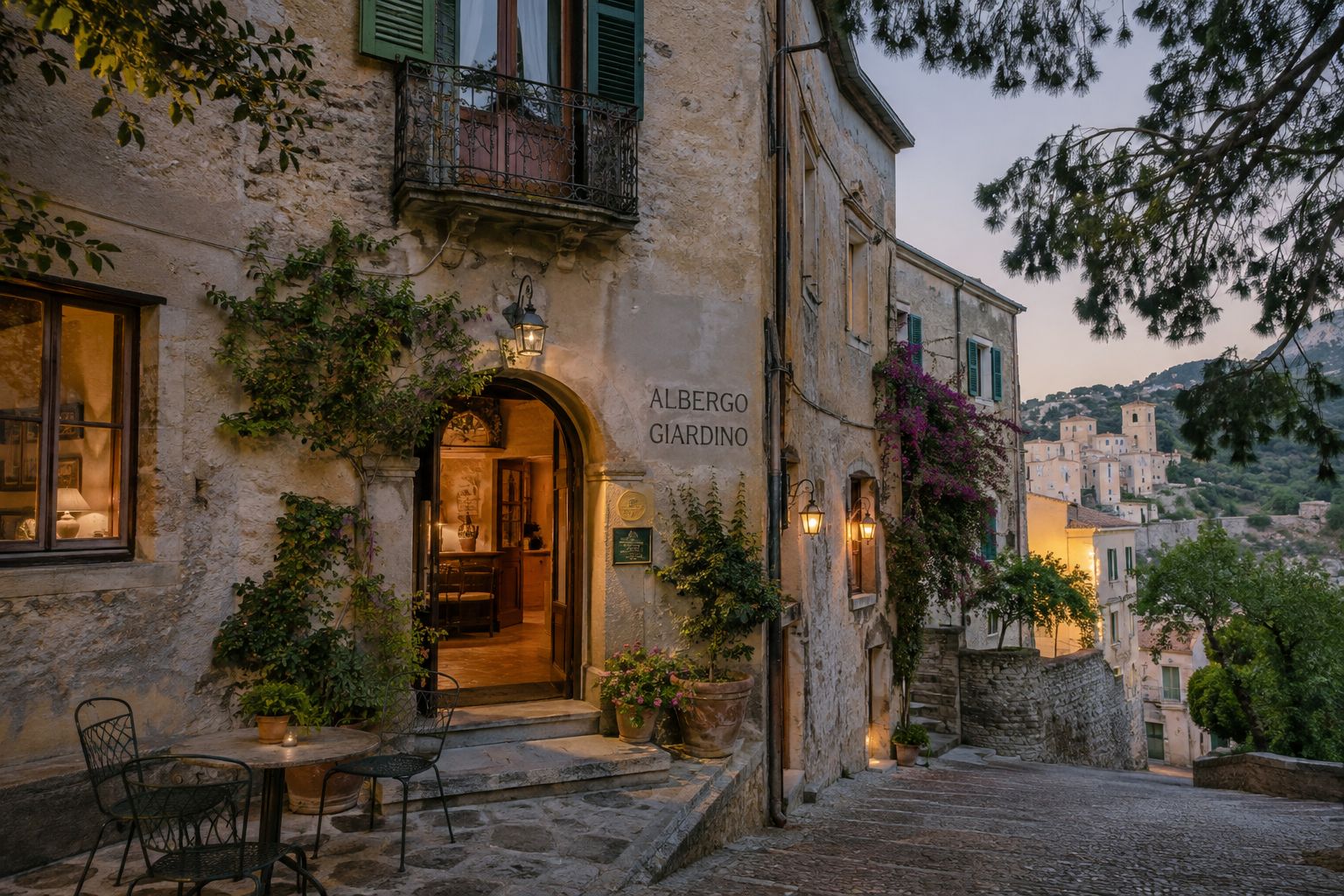
Stunning Boutique Hotel in a Mediterranean Village
Thinking about a boutique hotel for your next journey?
Whether you are looking for somewhere intimate and characterful or wondering whether a larger resort would actually suit you better, we can help you compare the options and work out what genuinely fits.